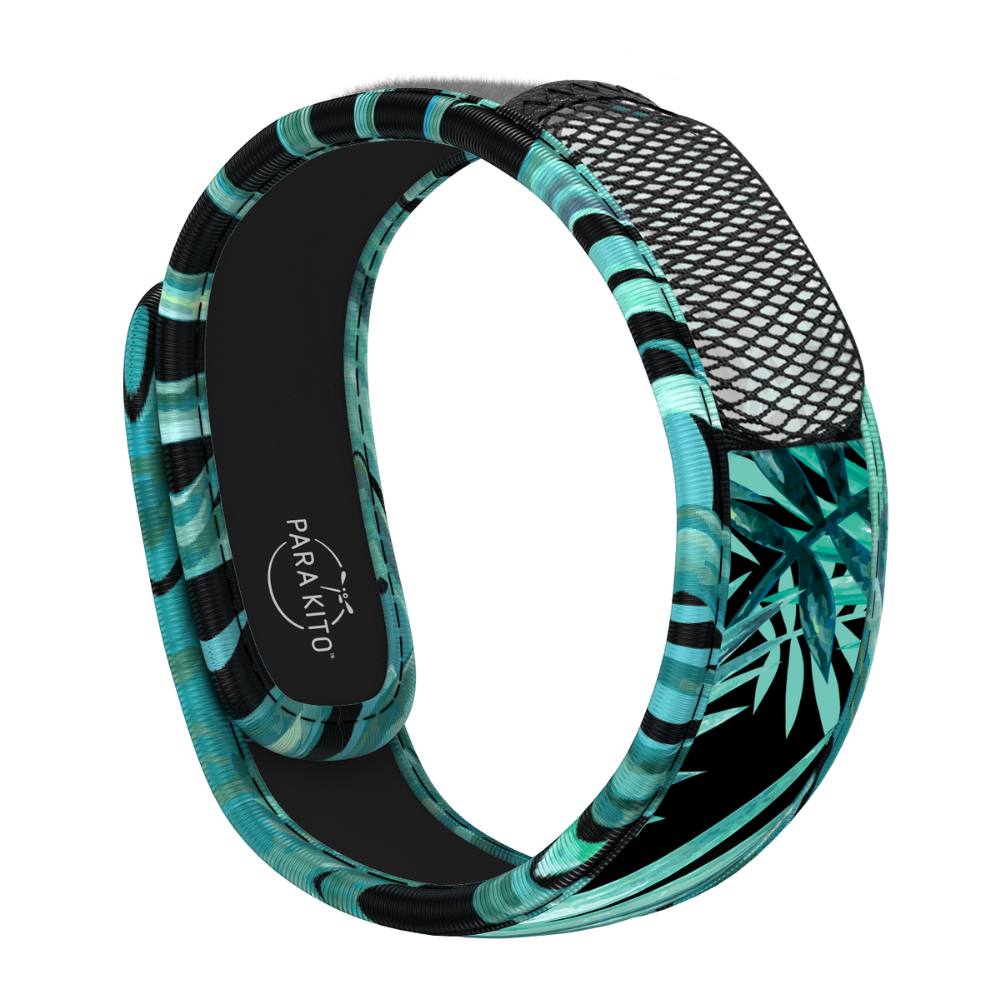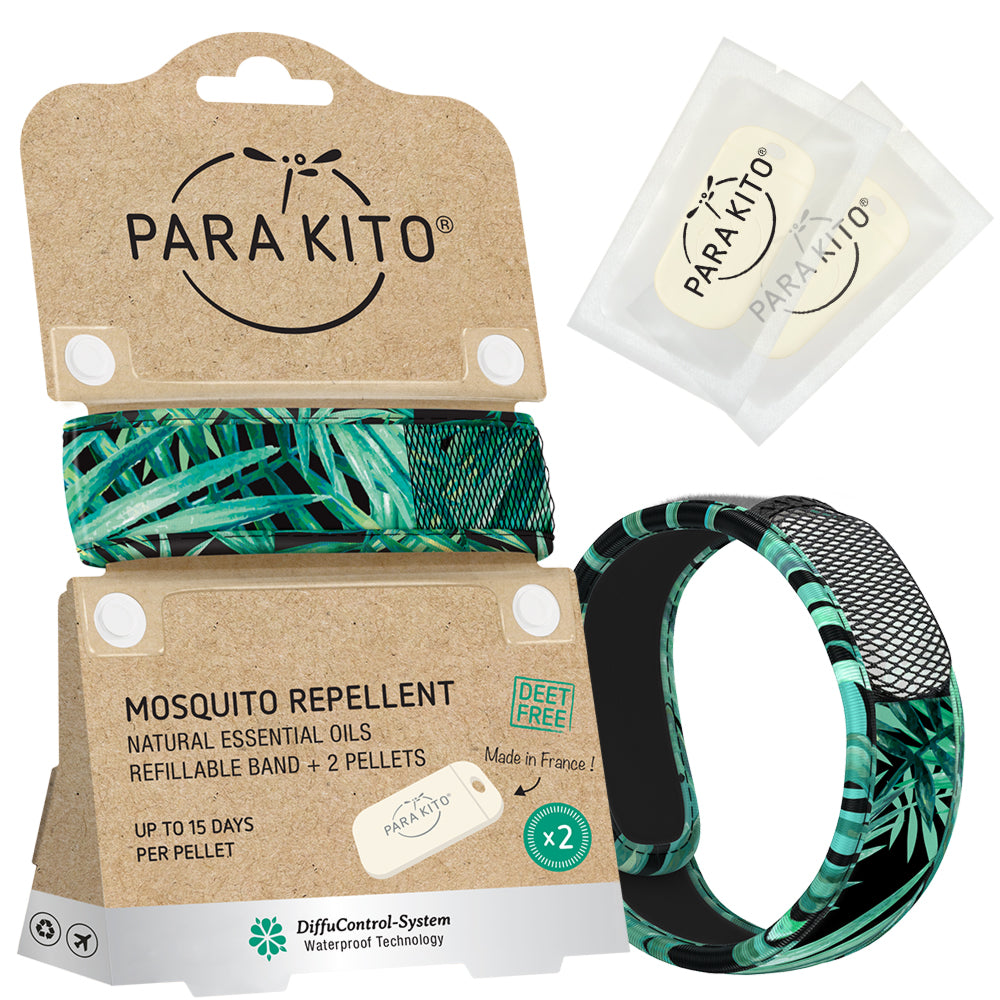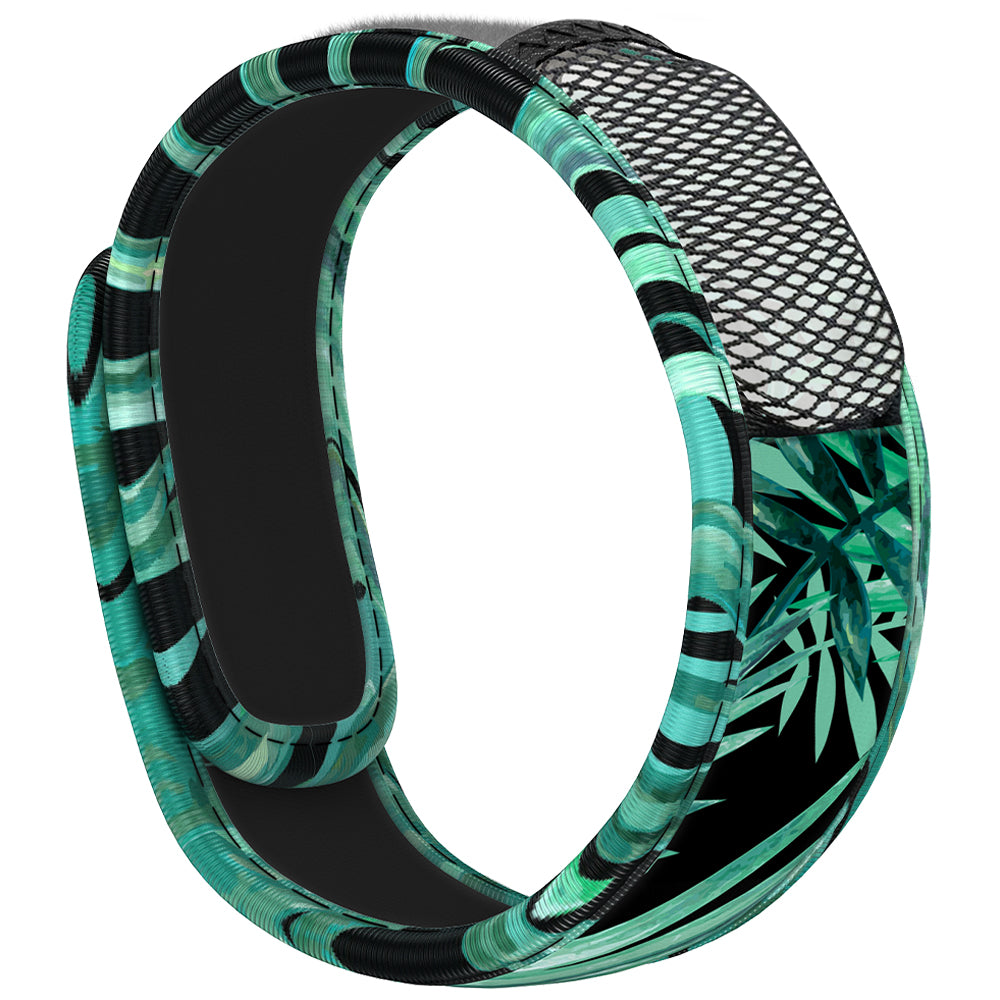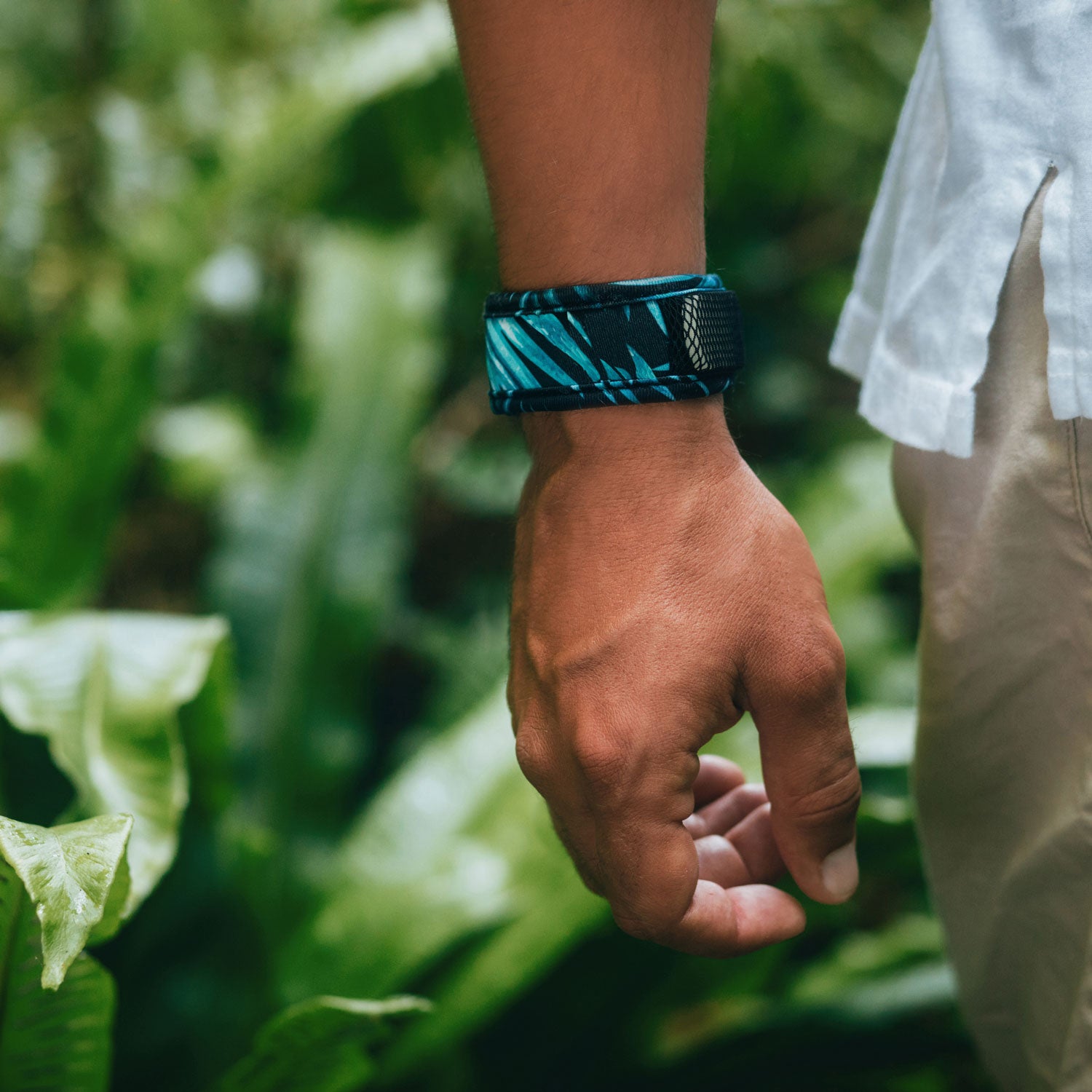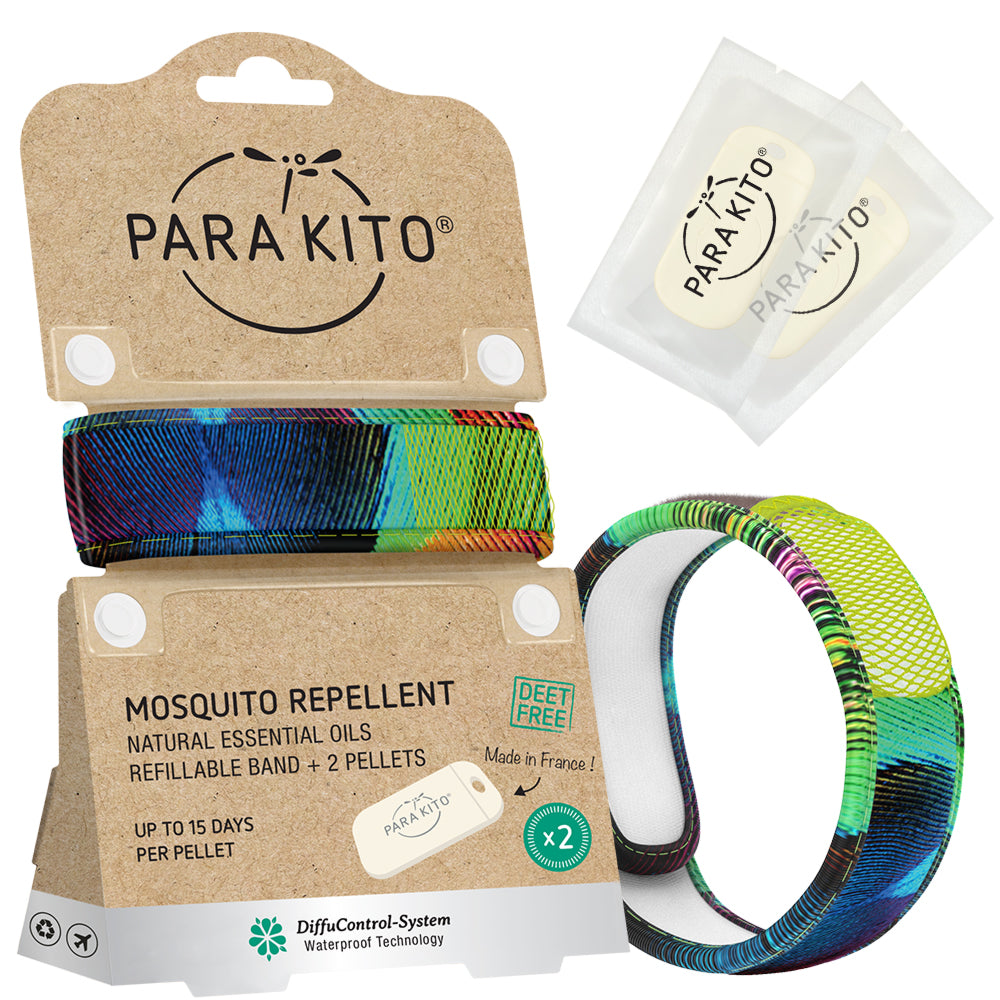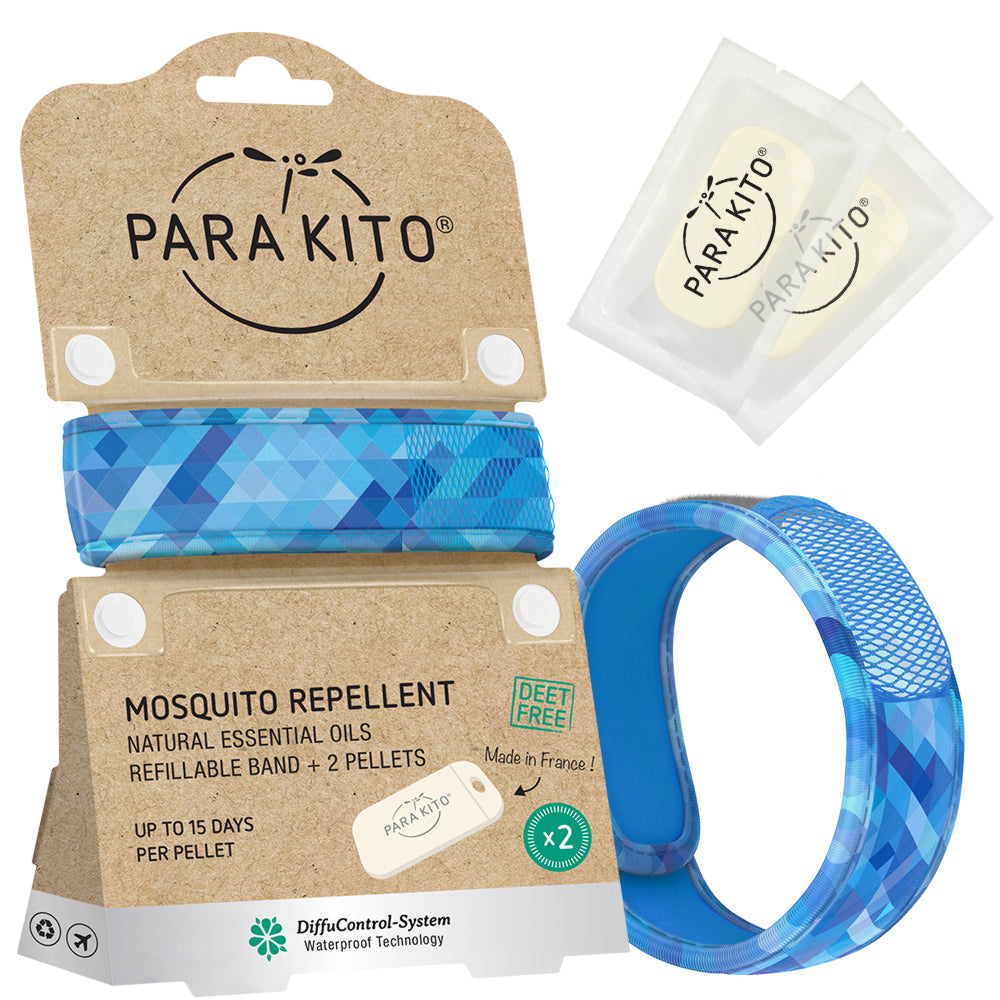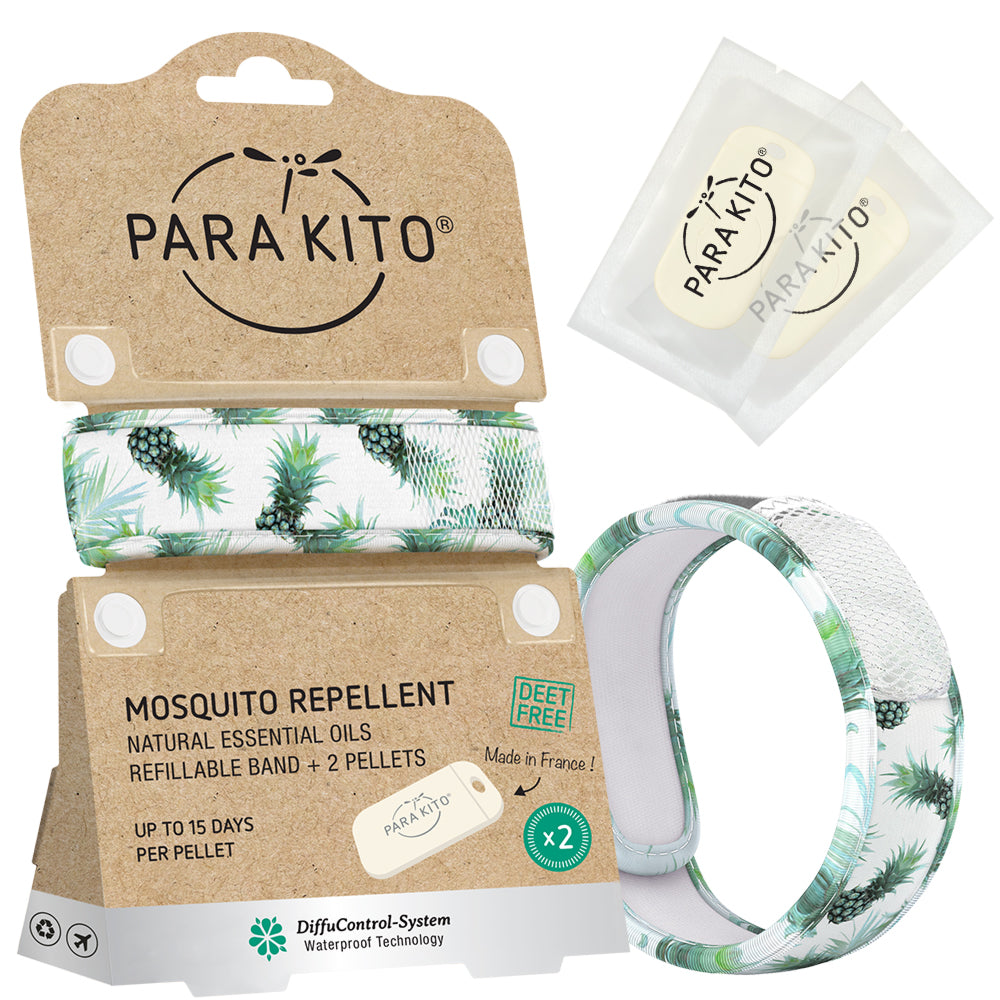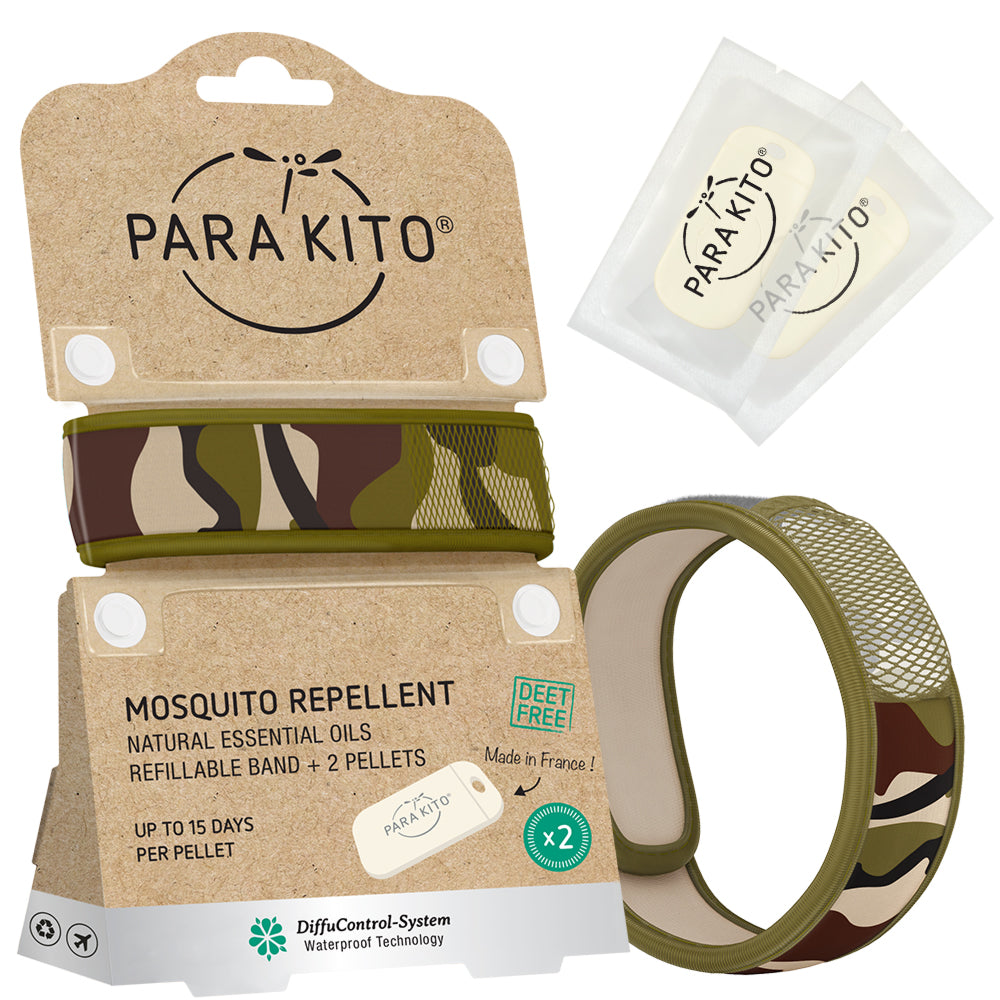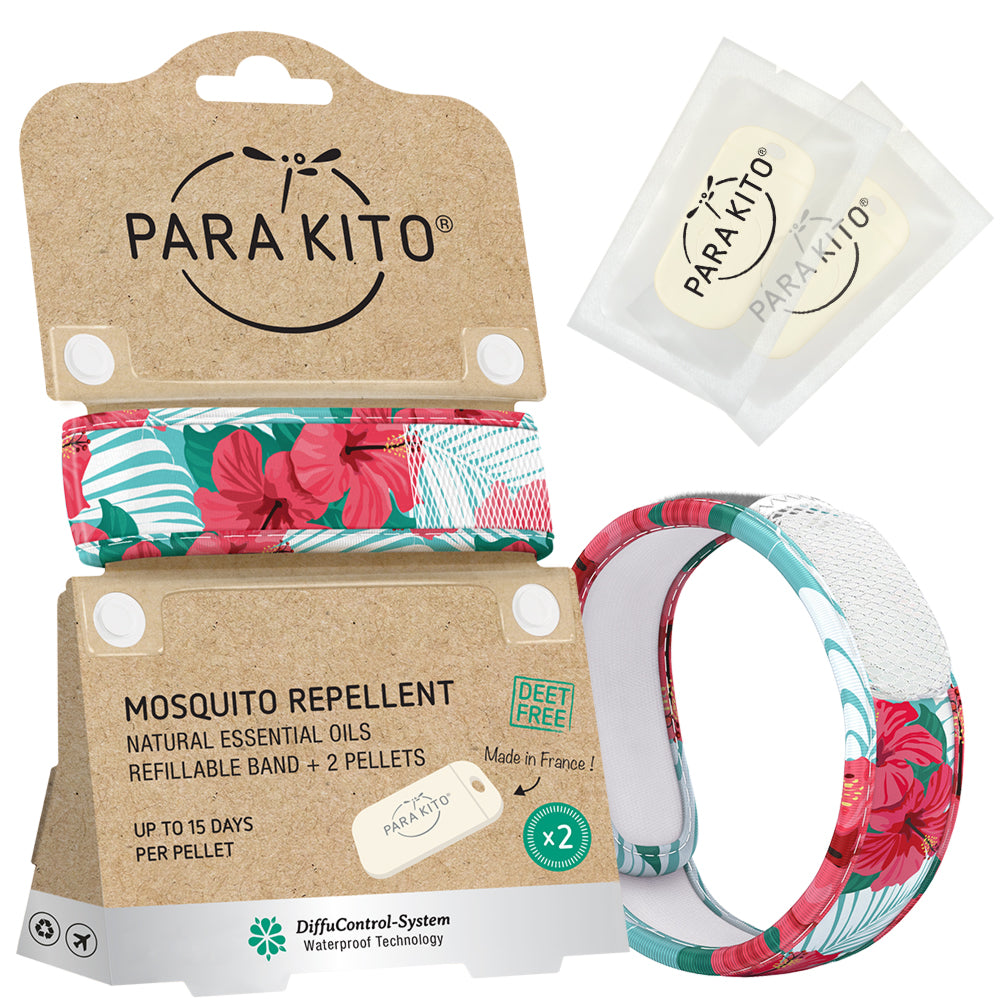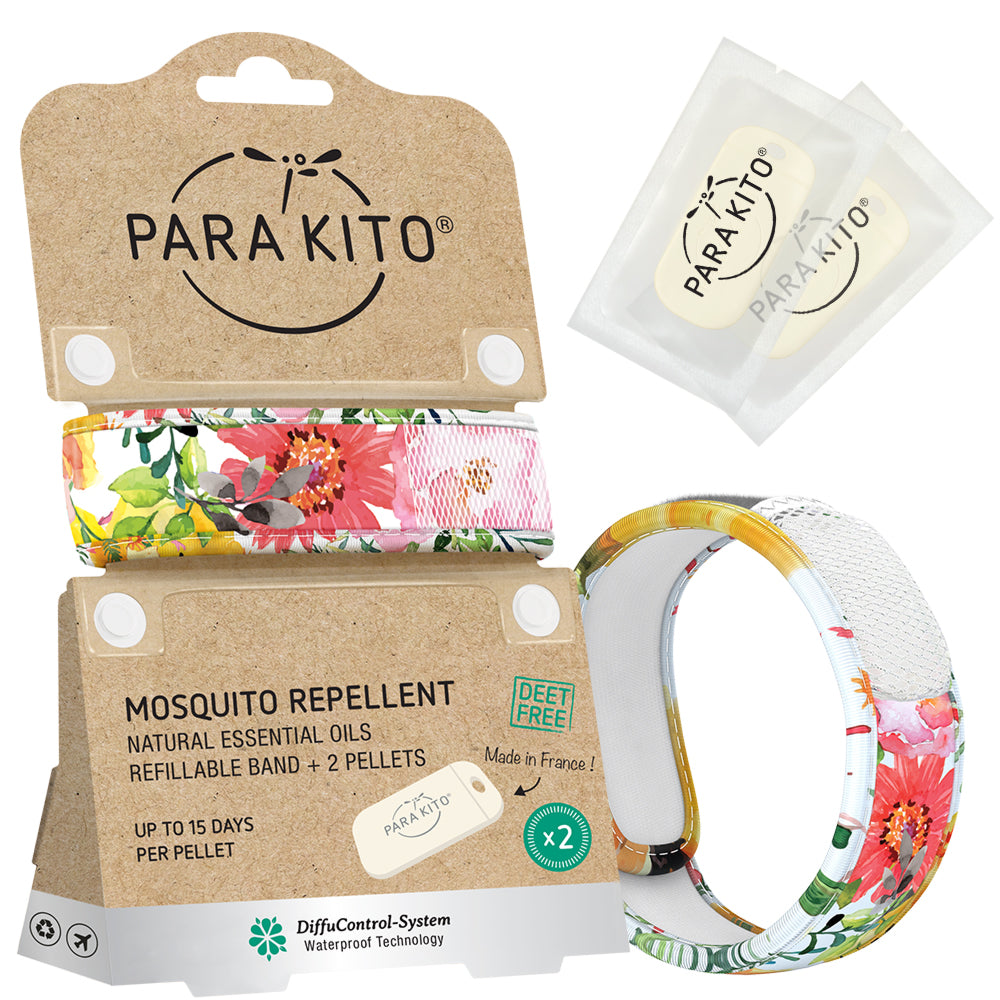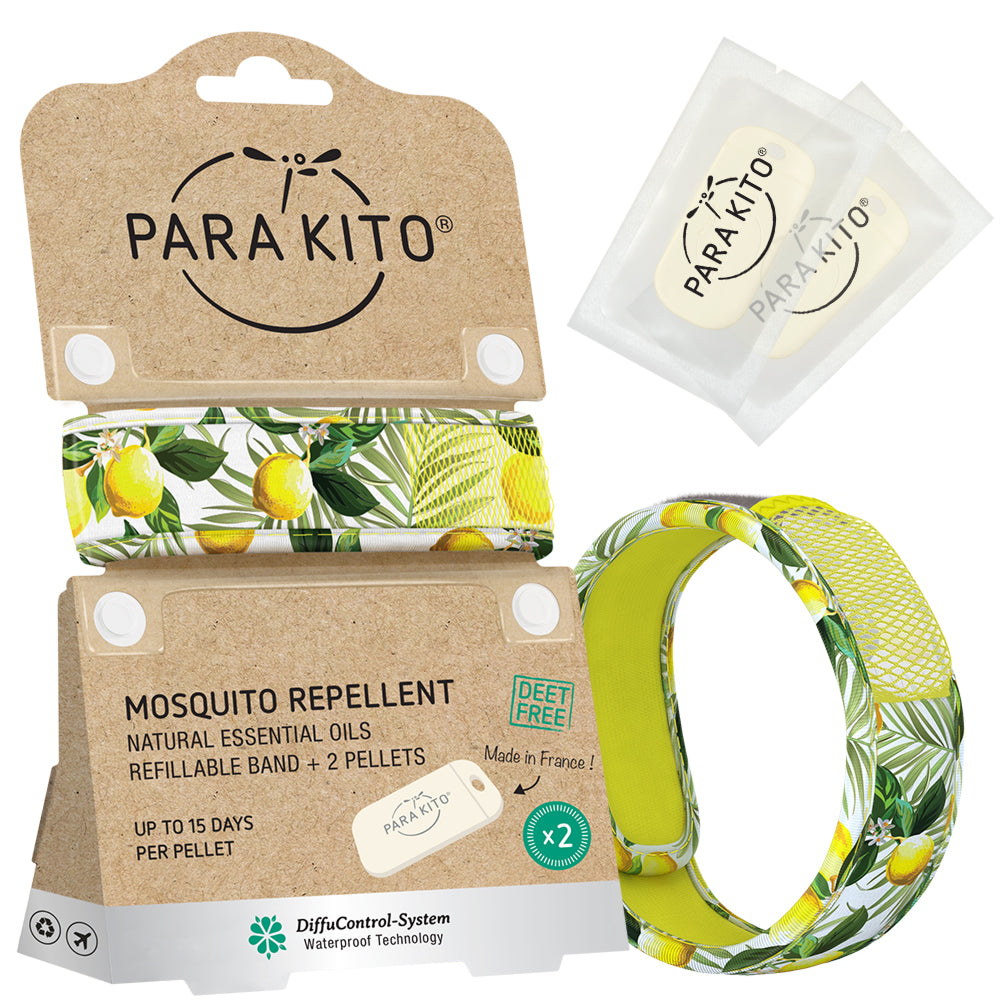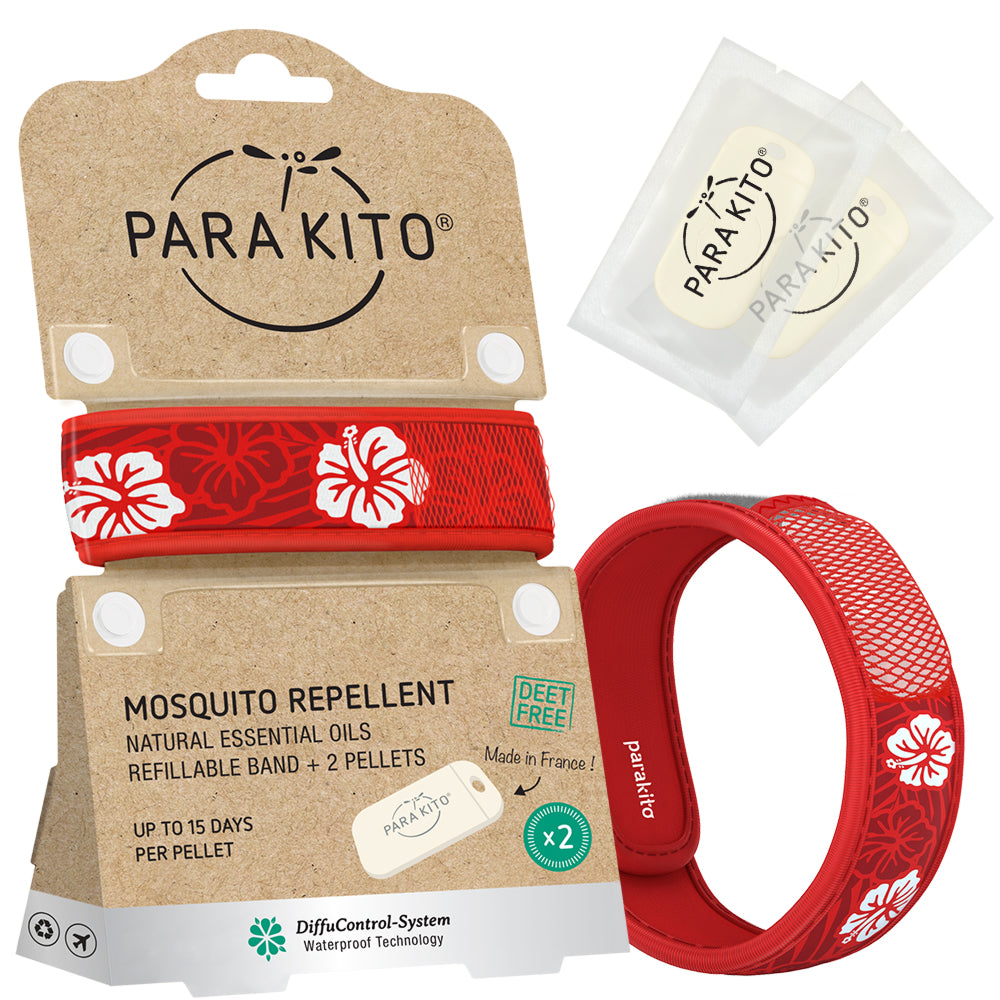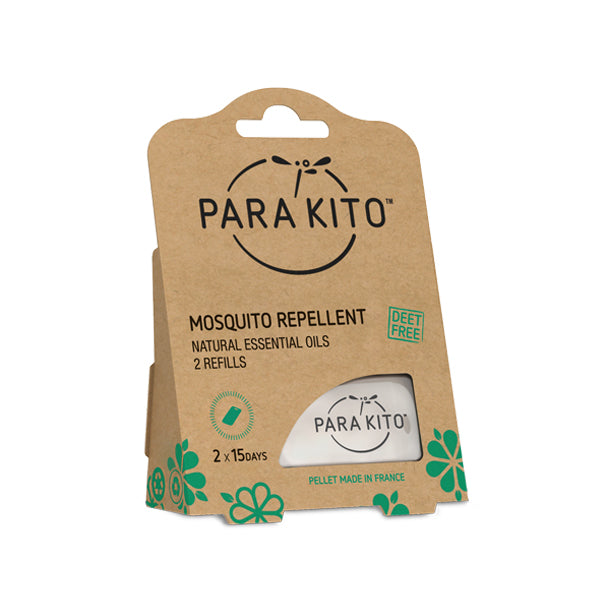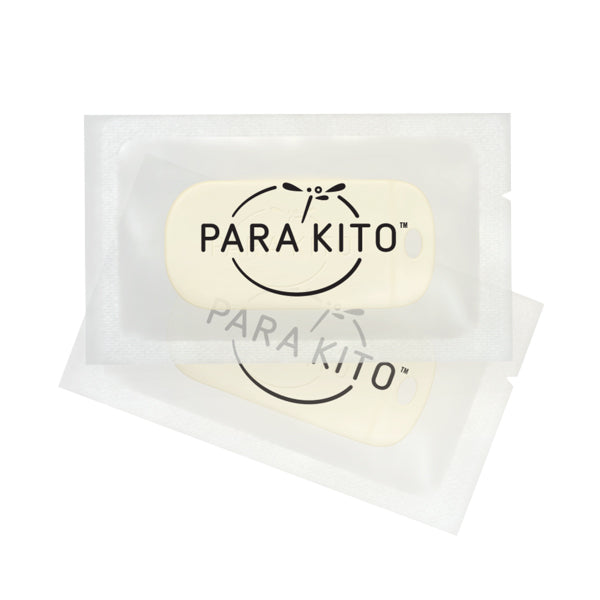


Para’Kito™ is a portable and natural mosquito protection

Para’Kito™ is chemical free and the pellet does not come in contact with the skin. We recommend Para’Kito™ to persons who have cutaneous allergies or skin irritations.

Para’Kito™ was only tested in laboratory against mosquitoes. However it contains essential oils which can be effective against other insects such as moths (Lavender and Patchouli).

Yes. Indeed the essential oils inside are impregnated in a pellet which does not come in contact with the skin so that there is no risk of transcutaneous absorption. If the scent bothers you, just discontinue wearing Para'Kito™ for a while.

Above 36 months the bands and the clips can be worn by children without any specific precaution. For babies and children below 36 months we recommend you to place the products out of their reach to avert the risk of sucking or swallowing.

Mosquitoes are known from as far back as the Triassic Period -400 million years ago. They are known from North America from the Cretaceous -100 million years ago. There are about 2,500 species of mosquito. There are 176 species in the United States.

The average mosquito weighs about 2.5 milligrams. The average mosquito takes in about 5-millionths of a liter of blood during feeding.

Mosquitoes find hosts by sight (they observe movement); by detecting infra-red radiation emitted by warm bodies; and by chemical signals (mosquitoes are attracted to carbon dioxide and lactic acid, among other chemicals) at distances of 25 to 35 meters.

Mosquitoes fly an estimated 1 to 1.5 miles per hour. Salt marsh mosquitoes can migrate up to 40 miles for a meal.

When a female mosquito pierces the skin with her mouthparts, she injects a small amount of saliva into the wound before drawing blood. The saliva makes penetration easier and prevents the blood from clotting in the narrow channel of her food canal. The welts that appear after the mosquito leaves is not a reaction to the wound but an allergic reaction to the saliva injected to prevent clotting. In most cases, the itching sensation and swellings subside within several hours. Some people are highly sensitive and symptoms persist for several days. Scratching the bites can result in infection if bacteria from the fingernails are introduced to the wounds.

Mosquitoes belong to a group of insects that requires blood to develop fertile eggs. Males do not lay eggs, thus, male mosquitoes do not bite. The females are the egg producers and "host-seek" for a blood meal. Female mosquitoes lay multiple batches of eggs and require a blood meal for every batch they lay. Few people realize that mosquitoes rely on sugar as their main source of energy. Both male and female mosquitoes feed on plant nectar, fruit juices and liquids that ooze from plants. The sugar is burned as fuel for flight and is replenished on a daily basis. Blood is reserved for egg production and is imbibed less frequently.

About 3000 species of mosquitoes have been described on a world-wide basis. Approximately 150 are known to occur in North America. The term "Mosquito State"; is appropriate for New Jersey because 63 species of mosquitoes have been found within its boundaries, to date. Scientists group species by genus on the basis of the physical characteristics they share. The 3000 mosquito species found in the world are divided among 28 different genera. The genus Aedes contains some of the worst pests. Many members of the genus Anopheles have the ability to transmit human malaria. Ten different genera occur in New Jersey including: Aedes, Anopheles, Culex, Culiseta, Coquillettidia, Psorophora, Orthopodomyia, Uranotaenia, Toxorhynchites and Wyeomyia. It is sometimes more convenient to group mosquitoes by the breeding habitat they use. The major habitat groups found in New Jersey include: "Snowpool Mosquitoes", "Floodwater Mosquitoes", "Swamp Breeding Mosquitoes" and "Container Breeding Mosquitoes".

Both male and female mosquitoes are nectar feeders, but the females of many species are also capable of hematophagy (drinking blood). Females do not require blood for their own survival, but they do need supplemental substances such as protein and iron to develop eggs. Prior to and during blood feeding, they inject saliva into the bodies of their source(s) of blood. Female mosquitoes hunt their blood host by detecting carbon dioxide (CO2) and 1-octen-3-ol from a distance.

Mosquitoes of the genus Toxorhynchites never drink blood. This genus includes the largest extant mosquitoes, the larvae of which prey on the larvae of other mosquitoes. These mosquito eaters have been used in the past as mosquito control agents, with varying success.

Mosquitoes are insects in the family Culicidae. They have a pair of scaled wings, a pair of halteres, a slender body, and long legs. The females of most mosquito species suck blood (hematophagy) from other animals, which has made them the most deadly disease vector known, killing millions of people over thousands of years and continuing to kill millions per year by the spread of infectious diseases. Learn more

Length varies but is rarely greater than 16 mm (0.6 inch), and weight up to 2.5 mg (0.04 grain). A mosquito can fly for 1 to 4 hours continuously at up to 1-2 km/h travelling up to 10 km in a night. Most species are nocturnal or crepuscular (dawn or dusk) feeders. During the heat of the day most mosquitoes rest in a cool place and wait for the evenings. They may still bite if disturbed. Mosquitoes are adept at infiltration and have been known to find their way into residences via deactivated air conditioning units.


© copyright 2011 Para'Kito™